Anomalies in Outer Space
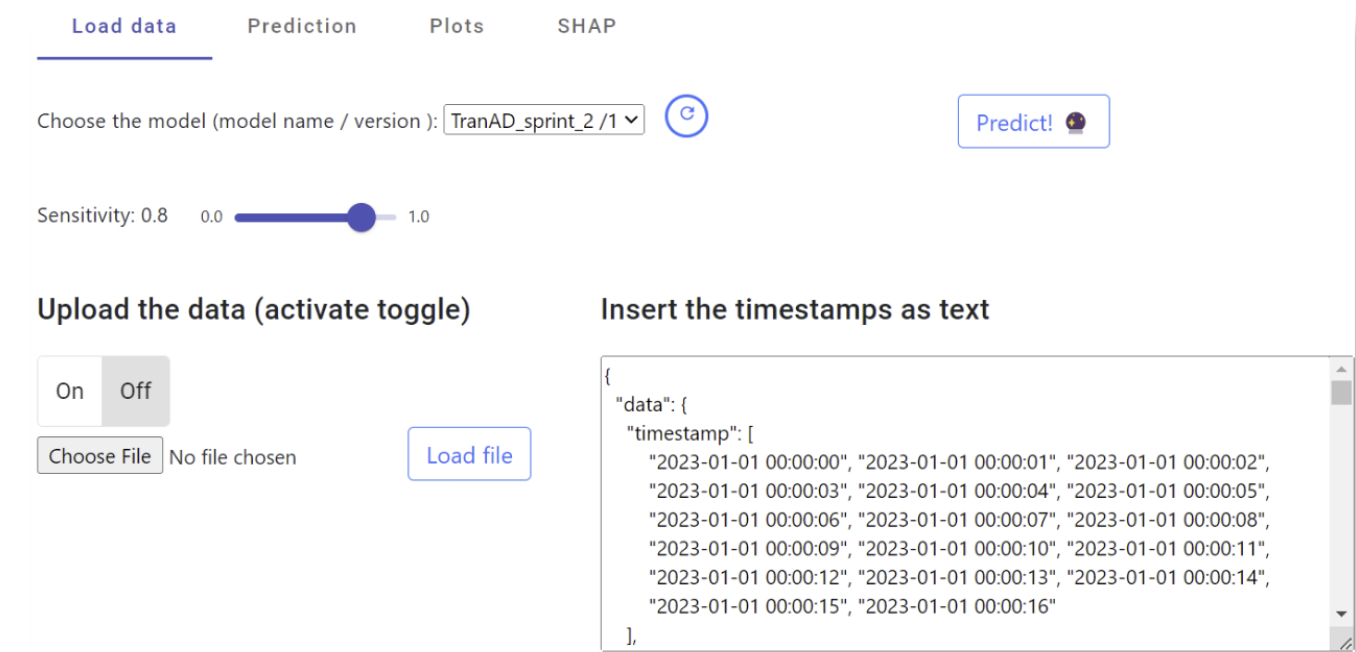
Our Mission: The goal of this project was to develop an AI module capable of performing anomaly detection from telemetry data from space missions using state-of-the-art deep learning techniques.
Meet the Team
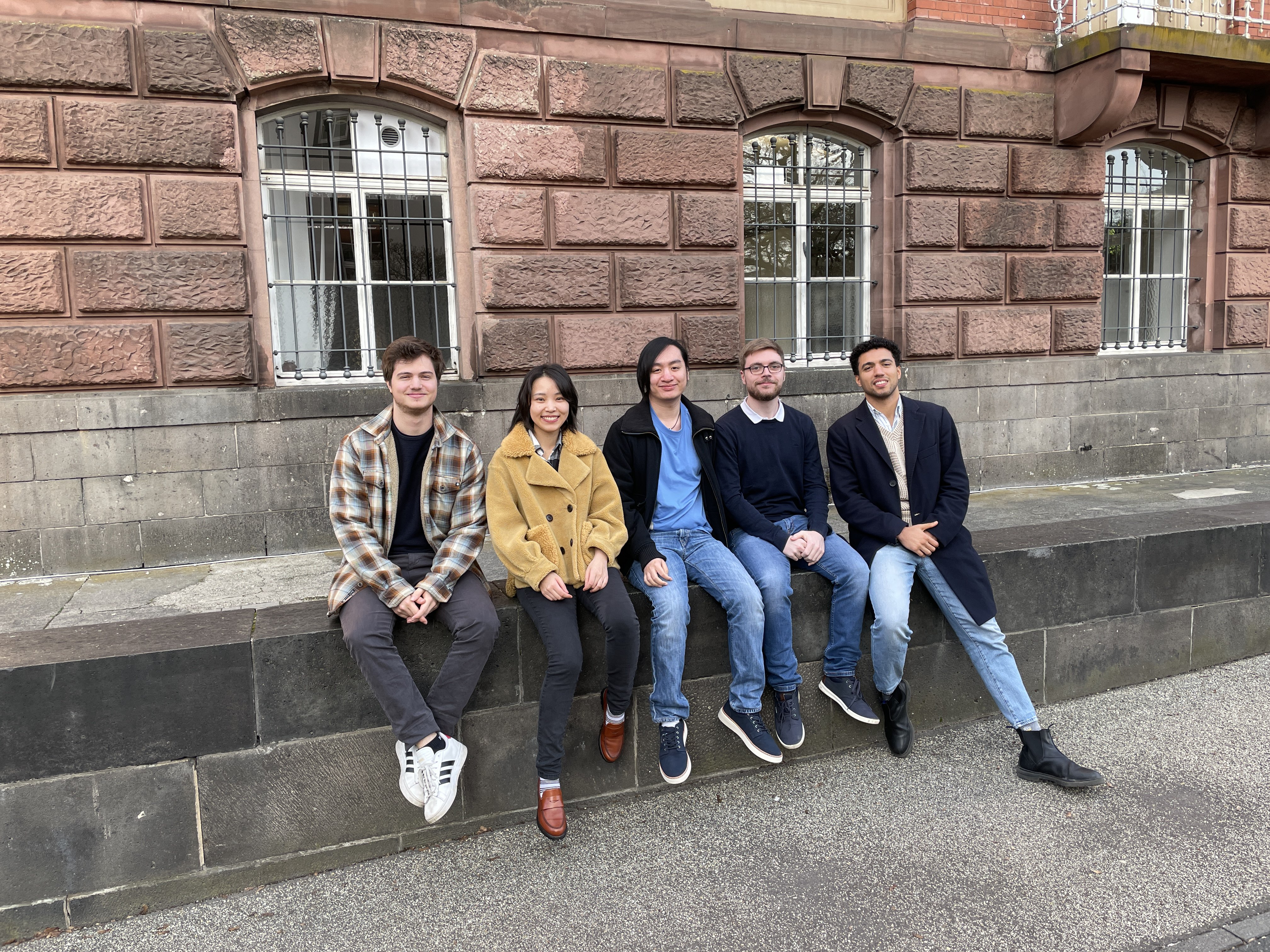
Thilo Schild, Heyun Yang, Long Phil Chau, Niklas Mohler, Nizar Bikti
Affiliations

Telespazio is an aerospace leader in consulting, technology and engineering services.
Beyond the Horizon
Spacecrafts, the marvels of human ingenuity, are not just intricate machines but lifelines in the boundless expanse of space. With thousands of telemetry channels meticulously recording data - from thermal conditions to computational dynamics - the essence of their operations is complexity personified. In the realm of the cosmos, where the cost of failure is astronomical, the vigilance over these channels becomes the linchpin of mission success.
Enter our alliance with Telespazio Germany, a synergy of vision and expertise aimed at the heart of this challenge. Our endeavor is not merely technical; it's a pledge to the safety and longevity of space exploration. By harnessing cutting-edge anomaly detection technologies, we're setting our sights on preempting the unforeseen - the glitches and the quirks that could jeopardize these celestial odysseys.
Our solution is designed to be the sentinel of space missions, a guardian that never sleeps. By analyzing the myriad data streams, it will discern the regular pulse of normal operations from the faint whispers of anomalies. This is more than just fault detection; it's about creating a smart, responsive system that can alert human overseers at the slightest hint of deviation, ensuring that corrective measures are not just timely but predictive.
This initiative is a testament to our commitment to the safety and success of space missions. It's not just about avoiding loss; it's about ensuring that every spacecraft entrusted to the void is watched over, protected, and understood. With Telespazio Germany by our side, we're not just looking towards the stars; we're ensuring that our journey among them is as secure as it is boundless.
Stellar Insights
In our project, we encountered significant computational demands due to the extensive data processing required for training AI models. Initially, our existing computational resources were insufficient for some of the more demanding models, necessitating requests for additional resources. This process was time-con ing and highlighted the importance of incorporating resource availability into the project's planning phase. Future projects should conduct a thorough assessment of computational requirements and align them with available resources from the outset to minimize delays.
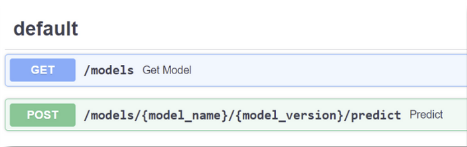
Our approach initially involved leveraging an existing API, which proved effective in the early stages. However, as the project evolved, we identified gaps in the API's functionality that were critical to our objectives. This realization led to the development of a custom API, a process that required additional time and resources. For future initiatives, a detailed analysis of preexisting APIs' capabilities relative to project requirements is advisable. Should gaps be identified, consider the feasibility of custom API development early in the project timeline.
The project's execution involved using specific tools and accessing particular datasets, which necessitated administrative setup and permissions. The setup process was more time-consuming than anticipated, primarily due to delays in administrative responses. To mitigate such issues in future projects, it is recommended to engage in proactive communication with all stakeholders to clearly identify necessary tools, datasets, and permissions at the project's inception. Early engagement and clear communication with the administrative teams can streamline the setup process and reduce project delays.
Tech Constellations
Development Tools


Data Science

Web & Containers

Galactic Gallery